




Yes, you can dermaplane if you have sensitive skin. This method of exfoliation is actually a smart choice for those with sensitive skin—but you need to use the right tool and take the right approach. We’ll talk through the top questions you’ve been wondering about and give you the easy steps you need to exfoliate sensitive skin without causing irritation.
Is At-Home Dermaplaning Bad for Sensitive Skin?
No. In fact, it can be a gentler alternative to the exfoliation methods sensitive skin often struggles with. The American Academy of Dermatology (AAD) cautions that scrubs and other mechanical exfoliation may be too irritating for sensitive skin, and that stronger chemical exfoliants are better suited to oily, thicker skin.
Dermaplaning works differently. Instead of rubbing grains across your face or leaving acids on your skin, a precision edge glides across the surface to gently lift away dead skin cells and peach fuzz. No grit, no acid, just a smooth sweep.
Now, that said, the tool you use makes all the difference. A disposable face razor is not a dermaplaning device. Traditional razors are made for terminal hair, the coarse hair on legs and men’s faces. The peach fuzz on your face is vellus hair, which is fine and soft. Disposable razors can miss peach fuzz, damage the skin barrier and cause nicks or cuts, which is exactly what sensitive skin doesn’t need.
What’s the Best Dermaplaning Tool for Sensitive Skin?
If you have sensitive skin, you need a dermaplaning tool that will give you added control, plus built-in safeguards to protect your skin. DERMAFLASH LUXE+ was designed to make at-home dermaplaning safe and effective for every skin type, including sensitive, with no downtime.
Here’s why LUXE+ is a smart choice for exfoliating sensitive skin:
-
Sonic technology for a smooth, frictionless glide: With a manual tool or (eek) a razor, it’s easy to press too hard, and that matters for sensitive skin. Research on shaving shows that the force of a blade against your skin can disrupt the skin barrier and lead to irritation. With DERMAFLASH LUXE+, the proprietary sonic technology does the work for you. The device uses 14K sonic vibrations per minute to help it glide across your skin without skipping or tugging—giving you the gentle, precise exfoliation sensitive skin needs.
-
Built-in safety features: DERMAFLASH LUXE+ uses single-use MicroFine Edges™, which are custom-engineered for the delicate skin on your face. MicroFine Edges have a built-in Safety Cage that protects skin from nicks and scrapes, unlike risky disposable razors.
-
Won’t transfer bacteria: Reusing a blade can transfer bacteria to your skin. MicroFine Edges are single-use only, so every Flash starts clean and hygienic.
-
A Gentle setting: LUXE+ has two sonic speeds. Gentle is ideal for beginners and sensitive skin, and Invigorating delivers deeper exfoliation when your skin is ready for more.
-
A prep step made for sensitive skin: PREFLASH® Essential Skin Prep includes Willow Bark to help visibly soothe skin and Niacinamide to help protect the moisture barrier, with no alcohol, silicones, synthetic dyes or fragrances.
-
Dermatologist and esthetician recommended: Both dermatologists and estheticians recommend LUXE+ because of the added safety features and gentle, effective results.
How to Dermaplane Sensitive Skin at Home
All you need is a few minutes once a week. Here’s how to make your first Flash a gentle one.
-
Prep: Remove makeup and sunscreen. Lather PREFLASH on wet skin, rinse, then pat thoroughly dry. The drier the canvas, the better your results.
-
Start on Gentle: If you have sensitive skin, use the Gentle setting.
-
Flash: Load a fresh MicroFine Edge into your device. Hold your skin taut, hold LUXE+ at a 45° angle and glide in short, feathery strokes. (Avoid your lips, nose and eyelids.)
-
Hydrate: Follow with HYDRAFLASH Active Cocooning Serum, which cocoons skin in hydration and supports skin’s natural protective barrier. Bonus: Skincare absorbs more effectively on freshly Flashed skin.
-
Repeat weekly: Flash once a week to maintain your smooth, fuzz-free glow. With sensitive skin, consistency matters more than intensity.
Dermaplaning Aftercare for Sensitive Skin
A little care before and after your Flash goes a long way, especially when your skin tends to react.
-
Skip retinoids and peels for 48–72 hours before and after you Flash.
-
Avoid direct sun for 48–72 hours after Flashing, and wear SPF 30+.
-
Keep the rest of your routine simple. The American Academy of Dermatology (AAD) notes that over-exfoliating can leave skin red and irritated, so avoid layering scrubs or strong acids on top of your weekly Flash.
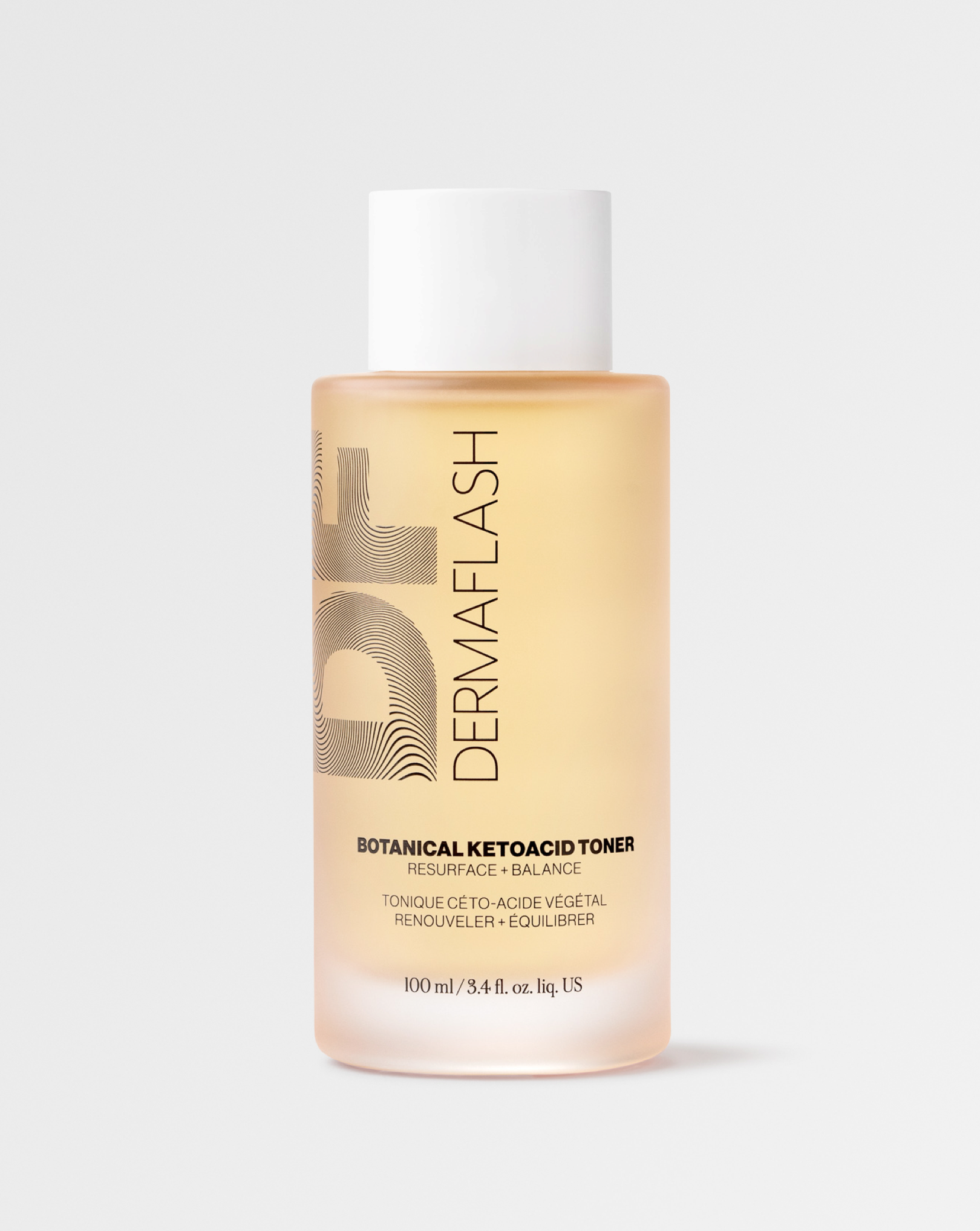
If you want a gentle daily step between sessions, Botanical Ketoacid Toner is a non-irritating daily exfoliating toner that’s safe for all skin types, including the most sensitive. Use it on your device “days off.”
Frequently Asked Questions
Does dermaplaning hurt?
No. LUXE+ doesn’t cause any pain. You’ll feel a light “sweeping” sensation and the gentle hum of the sonic vibration as the Edge glides across your skin. In fact, 97% said LUXE+ felt gentle (consumer panel survey after using LUXE+ once).
Who shouldn’t dermaplane?
Sensitive skin on its own isn’t a reason to skip dermaplaning, but some skin conditions are a reason to pause and ask your dermatologist first. Cleveland Clinic recommends talking to your healthcare provider before dermaplaning if you have active acne, cold sore outbreaks, eczema, psoriasis, a skin rash, or moles, skin tags or other growths in the area. The AAD also advises against exfoliating skin that’s sunburned or has open cuts or wounds.
Can I dermaplane if I have rosacea?
If you have rosacea or another diagnosed skin condition, check with your dermatologist before adding dermaplaning, or any new exfoliation method, to your routine. They know your skin and can tell you what makes sense for you.
How often should you dermaplane?
DERMAFLASH LUXE+ should be used once a week. That’s all it takes to maintain smooth, fuzz-free skin. It keeps your routine gentle and consistent, which matters most when your skin is sensitive. Read more here.
Does peach fuzz grow back thicker after dermaplaning?
No. LUXE+ does not affect the hair follicle, and it’s clinically proven that hair will not grow back thicker or faster. As board-certified dermatologist Dr. Ariza Ortiz, MD, puts it: “Your peach fuzz will grow back exactly as it was before you Flashed.”
What’s the best way to exfoliate sensitive skin?
Go gentle, keep it to about once a week and choose a method you can control. For a full comparison of scrubs, chemical exfoliants and sonic dermaplaning, read our guide: What’s the Best Way to Exfoliate Sensitive Skin?
Sources
-
Cleveland Clinic. “Dermaplaning: What It Is, Benefits & Side Effects.” Medically reviewed April 6, 2022. my.clevelandclinic.org
-
American Academy of Dermatology. “How to safely exfoliate at home.” Last updated February 6, 2026. aad.org
-
Costello L, et al. “Development of a novel in vitro strategy to understand the impact of shaving on skin health: combining tape strip exfoliation and human skin equivalent technology.” Frontiers in Medicine. 2023;10:1236790.


