




Sebaceous filaments are the tiny gray, tan or skin-toned dots you see across your nose, chin and forehead. They’re not blackheads. They’re a normal part of how your pores work: thread-like collections of sebum and dead skin cells that line the pore and help channel oil up to the surface of your skin. You can’t get rid of them permanently (and you wouldn’t want to), but you can make them far less noticeable.
Here’s what’s really going on inside your pores, how to tell filaments apart from blackheads, and what really works to minimize them.
What causes sebaceous filaments?
Every pore is connected to a sebaceous (oil) gland. As sebum travels up through the pore, it mixes with dead skin cells, and that mixture forms a filament. It’s simply how a healthy pore and oil gland work together.
According to Cleveland Clinic, sebaceous filaments are most apparent on the face, especially the nose, forehead, chin and cheeks. And every person has them. The difference is visibility. When your skin produces more oil, filaments fill up and become easier to see. Over time, built-up sebum, dead skin and debris can also stretch out the pore lining, so your pores look larger, too.
Sebaceous filaments vs. blackheads: how can you tell the difference?
They look similar from a distance, but up close there are a few telltale signs.
-
Color: Sebaceous filaments range from yellowish or white to tan or gray. Blackheads are black or very dark brown.
-
Texture: Filaments sit flat against the skin. Blackheads often feel slightly raised because of the plug at the surface.
-
Size: Filaments tend to stay small. Blackheads can grow larger if they’re not cleared.
-
Pattern: Filaments appear evenly across oilier zones, especially the nose. Blackheads tend to pop up individually.
The key difference is what’s happening in the pore. A blackhead is a true clog: dead skin and oil plug the pore opening, then oxidize and turn dark. A sebaceous filament is part of your pore’s normal structure.
Should you squeeze sebaceous filaments?
Tempting, of course. But no. Squeezing or scraping with your fingers or a harsh manual extractor can irritate skin and even cause damage. And because filaments are part of your pore’s normal function, they’ll simply fill back in. The goal isn’t to eliminate them. It’s to keep them clear so they stay out of sight.
How do you minimize the appearance of sebaceous filaments?
Think maintenance, not a one-time fix. A consistent routine that controls excess oil and clears out debris makes the biggest visible difference.
-
Cleanse thoroughly. Start with a gentle, thorough cleanse to lift away surface oil, makeup and buildup. Many people find a double cleanse, beginning with an oil-based cleanser, helps dissolve sebum.
-
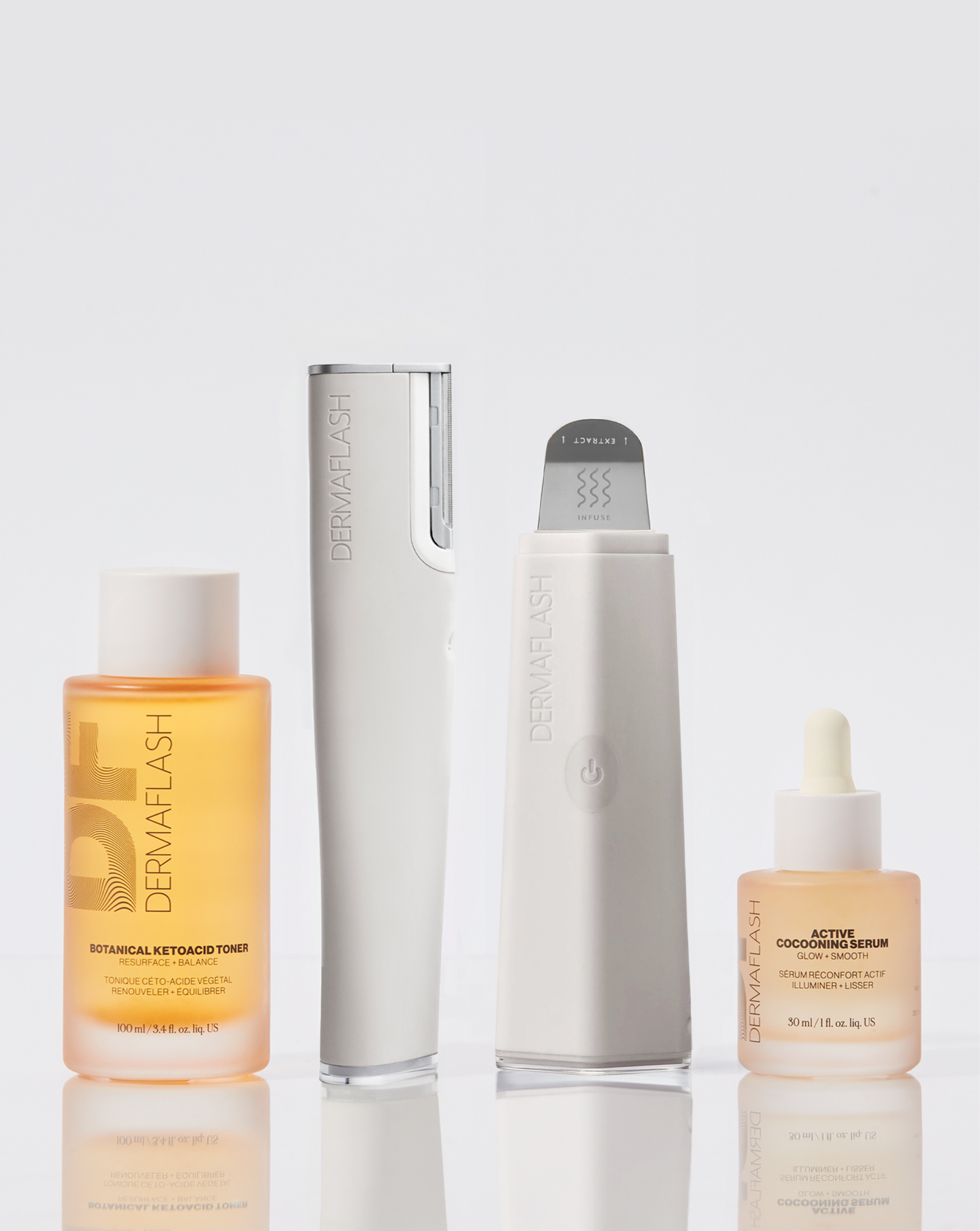
Exfoliate regularly. Dead skin cells are half of every filament. Chemical exfoliants work on the skin’s surface and in the pore, while DERMAFLASH LUXE+ Sonic Dermaplaning removes dead skin cells and peach fuzz for a smoother, fuzz-free surface.
-
Decongest your pores. DERMAPORE+ Ultrasonic Pore Extractor + Skincare Infuser clears out the excess oil and debris that make filaments stand out, without pain or irritation. In Extract Mode, ultrasonic vibrations gently loosen dirt, oil and debris, while the ionically charged spatula draws it out like a magnet. Pair it with PREP MIST, which helps soften clogs and boost extractions.
-
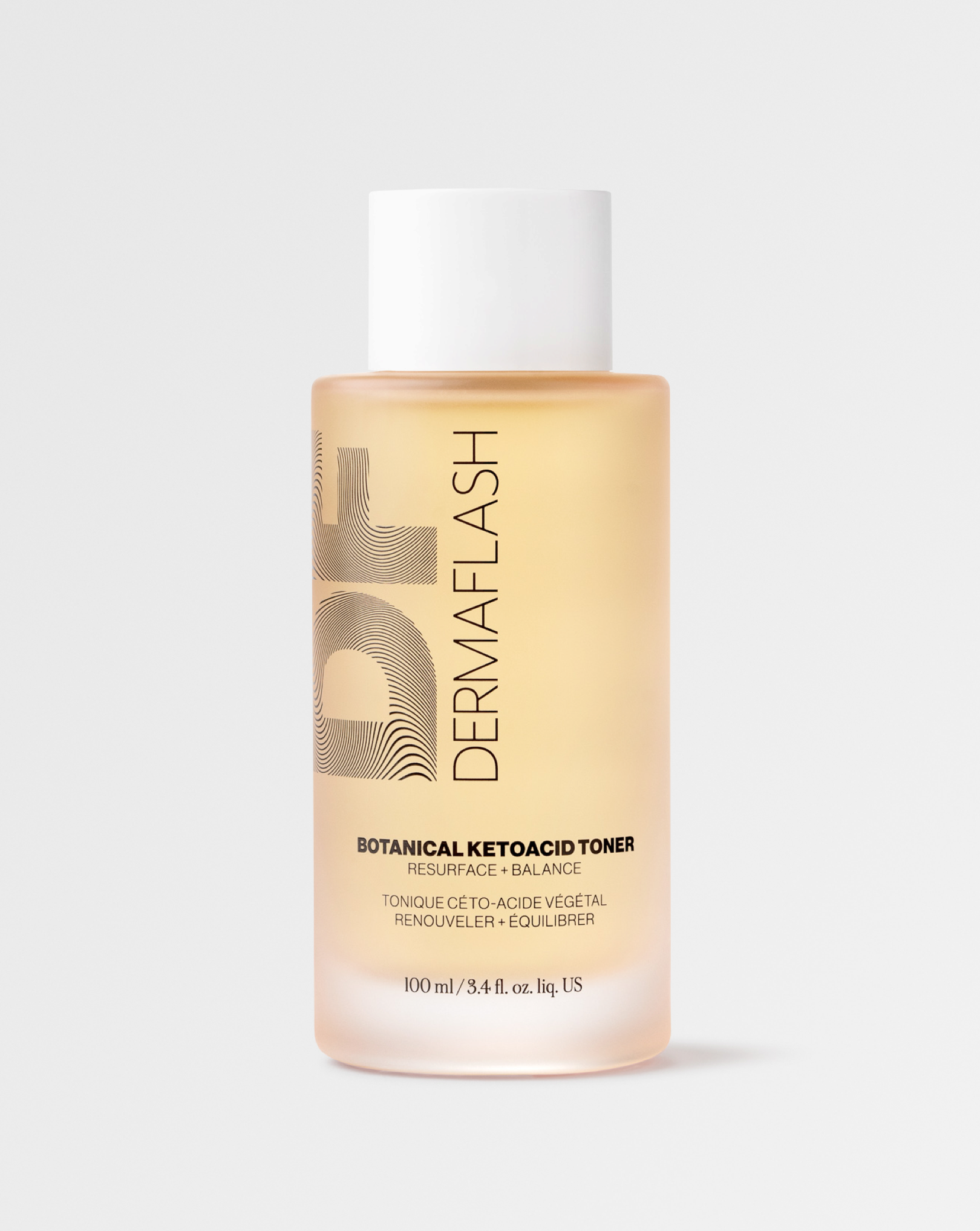
Refine with a toner. Follow with Botanical Ketoacid Toner, which refreshes, renews and minimizes the look of pores. It’s safe for sensitive skin.
-
Stay consistent. Filaments naturally refill over time, so regular care keeps them looking minimal. DERMAPORE+ can be used any time your skin feels congested.
What results can you expect from DERMAPORE+?
In an independent clinical study, 97% had a significant reduction in pore size and 97% had less oily skin (instrumental analysis immediately after use with PREP MIST; oil measured on the forehead). In a consumer panel survey immediately after use with PREP MIST, 100% said their skin felt significantly cleaner and smoother.
Sebaceous filaments FAQ
Can you permanently get rid of sebaceous filaments?
No. Sebaceous filaments are a normal part of your skin’s structure, and they help move oil to the surface. What you can do is keep them clear, so they’re far less visible.
Do men get sebaceous filaments?
Yes. Everyone has them. They’re often more noticeable on oilier skin and in the T-zone, so they’re a common concern for anyone who wants a clearer, more refined-looking complexion.
Is DERMAPORE+ safe for sensitive skin?
Yes. DERMAPORE+ is suitable for all ages, skin tones and skin types, including sensitive skin. Unlike a harsh pore scraper, it will not cause pain or irritation.
Does DERMAPORE+ work on blackheads, too?
Yes. The same Ultrasonic + Ionic Technology that clears excess oil from filaments also unclogs pores and removes stubborn blackheads.
Why do my pores look bigger when filaments are visible?
Sebum, dead skin and debris that build up in the pore can stretch out the pore lining. Clearing that buildup is how you make pores look smaller.
Sources
-
Cleveland Clinic, Sebaceous Filaments (medically reviewed): my.clevelandclinic.org/health/articles/24571-sebaceous-filaments
-
Dr. David J. Goldberg, board-certified dermatologist, via Teen Vogue (syndicated by Fox News): foxnews.com/health/your-blackheads-might-not-actually-be-blackheads
-
U.S. Dermatology Partners: usdermatologypartners.com/blog/blackheads-vs-sebaceous-filaments


