




Spring means sunshine and flowers in bloom, but for some people—up to 30% of adults, in fact—it also means seasonal allergies. And not only do allergies cause stuffiness, sneezing and watery eyes, they can also cause puffiness, inflammation and swelling of your nasal passages. We’ll explain why allergies can leave your face looked puffed up and explain how to help reduce the appearance of puffiness and calm visible inflammation ASAP.
Why do allergies cause puffiness and inflammation?
Seasonal allergies trigger an immune response that leads to inflammation and fluid retention, especially in areas where your skin is thin and delicate (under eyes, we’re looking at you).
The reason that allergies cause fluid retention (or “edema”) has to do with histamine. When your body encounters an allergen, it releases histamine, which causes your blood vessels to expand and become “leaky.” Fluid escapes into nearby facial tissue, resulting in inflammation and puffiness, and leaving you with:
-
Undereye bags
-
Facial swelling
-
Dark circles
-
Redness and irritation
-
Dull, tired-looking skin
This type of puffiness isn’t just cosmetic—it’s caused by lymphatic stagnation and increased fluid buildup, making it harder for skin to look smooth, sculpted, and radiant.
“When you have an allergic reaction, your immune system goes into overdrive, releasing histamine to combat the allergen,” explains New York City dermatologist Eric Schweiger, M.D. “This histamine causes inflammation throughout your body, including in the delicate skin under your eyes. As a result, the blood vessels in this area can dilate and become more visible, creating the appearance of dark circles or shadows.”
Why does my face look puffy in the morning?
When you’re lying down overnight, fluid accumulates in your face. In addition, your body’s production of histamine (a chemical release by your immune system) is naturally higher at night. Last, your sinuses don’t drain as well when you’re lying flat. Combine all of these factors with seasonal allergies, and it’s no surprise you wake up looking puffy.
How does COOL help puffiness from allergies?
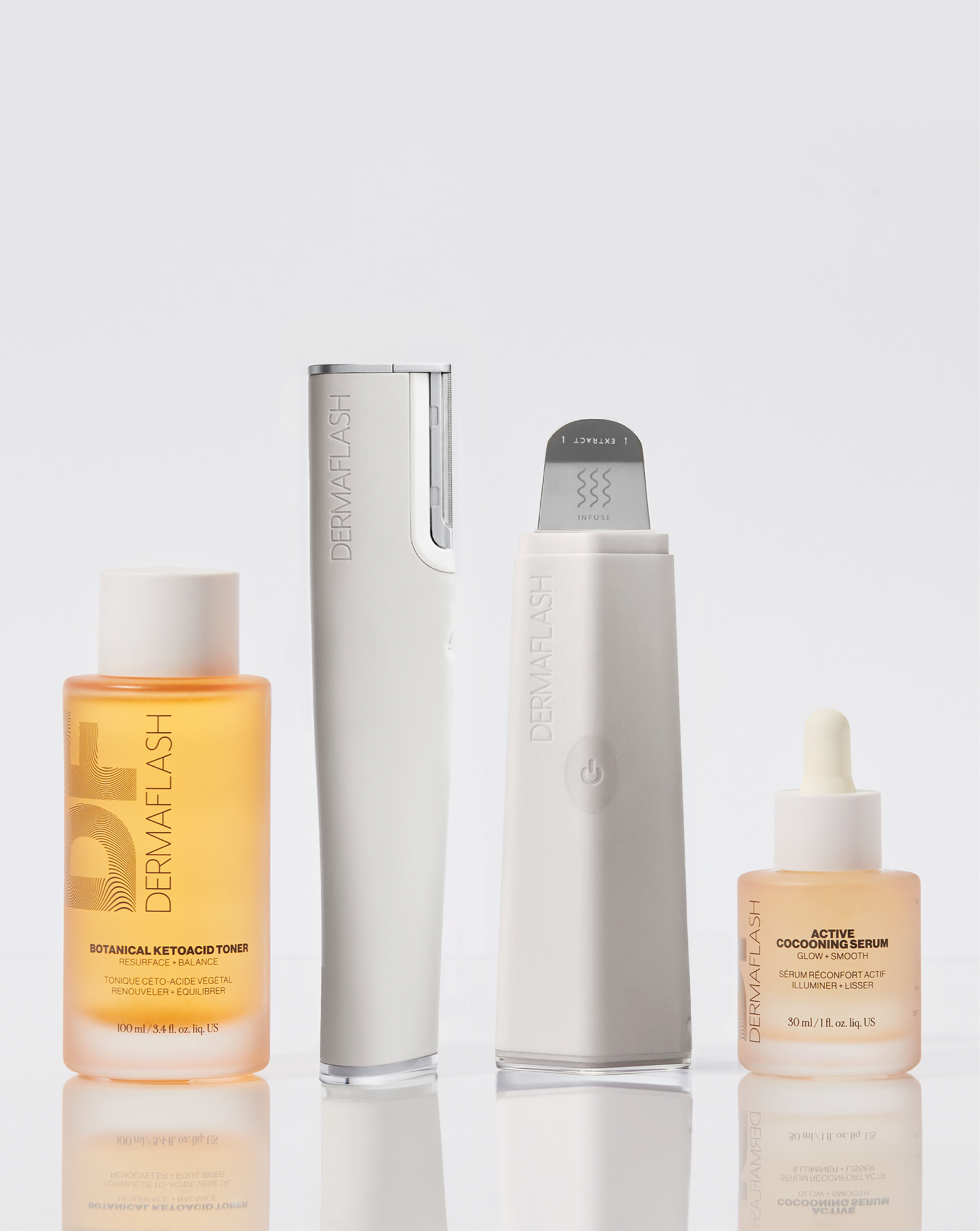
DERMAFLASH COOL is a sonically powered device that helps support lymphatic drainage and get stagnant fluid moving. In addition, the rapid cooling effect helps to reduce the look of inflammation. Together, this helps to reduce the appearance of puffy eyes and facial swelling that results from seasonal allergies.
1. High-Level Sonic Waves for Lymphatic Drainage
COOL uses gentle, high-frequency sonic vibrations to help stimulate microcirculation and encourage lymphatic drainage, which moves excess fluid away from the face. This is essential for reducing allergy-related puffiness and swelling.
2. Instant Cooling to Calm Visible Inflammation
COOL features the coldest temperature on the market and does not need to be stored in the fridge or freezer—making it ideal for travel or using on-the-go. It delivers rapid cooling in seconds, helping to soothe inflamed skin, reduce redness, and minimize facial swelling caused by allergies.
How to use COOL to reduce the look of puffiness from allergies
Incorporating COOL into your skincare routine is simple:
-
Apply a generous amount of HYDRAFLASH Active Cocooning Serum
-
Activate your COOL device—use the “gentle” (press once) or “invigorating” (press twice) mode depending on your needs
-
Glide the device under the eyes and over your cheeks, spending 30-60 seconds on each area
-
Always work from the center or your face outward to help move built-up fluid that’s causing puffiness
Your go-to solution for allergy season skin
If you’re searching for the best device for puffy eyes, how to reduce facial swelling from allergies, or a cooling skincare tool for inflammation, COOL is your answer. It combines lymphatic drainage, sonic technology, and instant cooling to deliver visible results—fast.
The information provided in this article is for informational and educational purposes only and is not intended as medical advice. It should not be used to diagnose, treat, or prevent any medical condition. Always consult with a qualified healthcare professional or your physician regarding any questions or concerns about your health, especially if you are experiencing symptoms related to allergies or skin conditions.