



Air pollution doesn't just affect your lungs—it's a significant stressor for your skin as well. Why? Microscopic particles and environmental toxins can settle on your skin's surface, where they generate free radicals, cause inflammation, and trigger premature visible aging. That sounds scary, but once you understand how pollution damages your skin, you can build a routine to help counteract it.
What Counts as "Pollution" When It Comes to Skin?
When dermatologists talk about pollution's effect on skin, they're usually referring to a mix of:
- Particulate matter (PM2.5 and PM10) — ultra-fine particles from car exhaust, industrial emissions, and wildfire smoke, which small enough to become trapped in your pores.
- Nitrogen dioxide (NO2) and ground-level ozone — gases produced by traffic and heat-driven chemical reactions in the atmosphere.
- Polycyclic aromatic hydrocarbons (PAHs) — compounds released from car exhaust, cigarette smoke, and industrial burning.
- Heavy metals — trace particles found in urban smog and industrial byproducts.
Even if you don't live in an urban or heavily industrial area, exposure can add up. Traffic, secondhand smoke, and indoor pollutants all contribute to your skin's daily pollution load.
How Air Pollution Damages Your Skin
1. Premature Aging
Pollution particles are tiny enough to penetrate your skin's surface, where they generate “free radicals.” These unstable molecules break down collagen and elastin, which act as the “structural support” responsible for your skin's firmness and bounce. Over time, this oxidative damage shows up as dullness, loss of elasticity, and the earlier onset of fine lines.
2. Barrier Damage
Your skin barrier is made up of lipids and proteins that lock in moisture and keep irritants out. Pollutants deplete this barrier, which can lead to increased water loss, redness, and heightened sensitivity. This means your skin has a harder time protecting itself from everything else it encounters.
3. Increased Inflammation
Toxic gases like nitrogen dioxide and ground-level ozone can trigger inflammatory responses in the skin. For people who already manage conditions like acne, atopic dermatitis, or rosacea, pollution exposure is a well-documented trigger for flare-ups.
4. Uneven Tone and Dark Spots
When particulate matter settles into pores and interacts with the skin, it can stimulate excess melanin production. This contributes to the formation of dark spots and patches, and an uneven tone over time.
How to Offset the Effects of Pollution on Your Skin
Unfortunately, you can't control the air quality outside, but you can build a routine that minimizes how much damage pollution actually does to your skin.
Apply an Antioxidant Serum Every Day
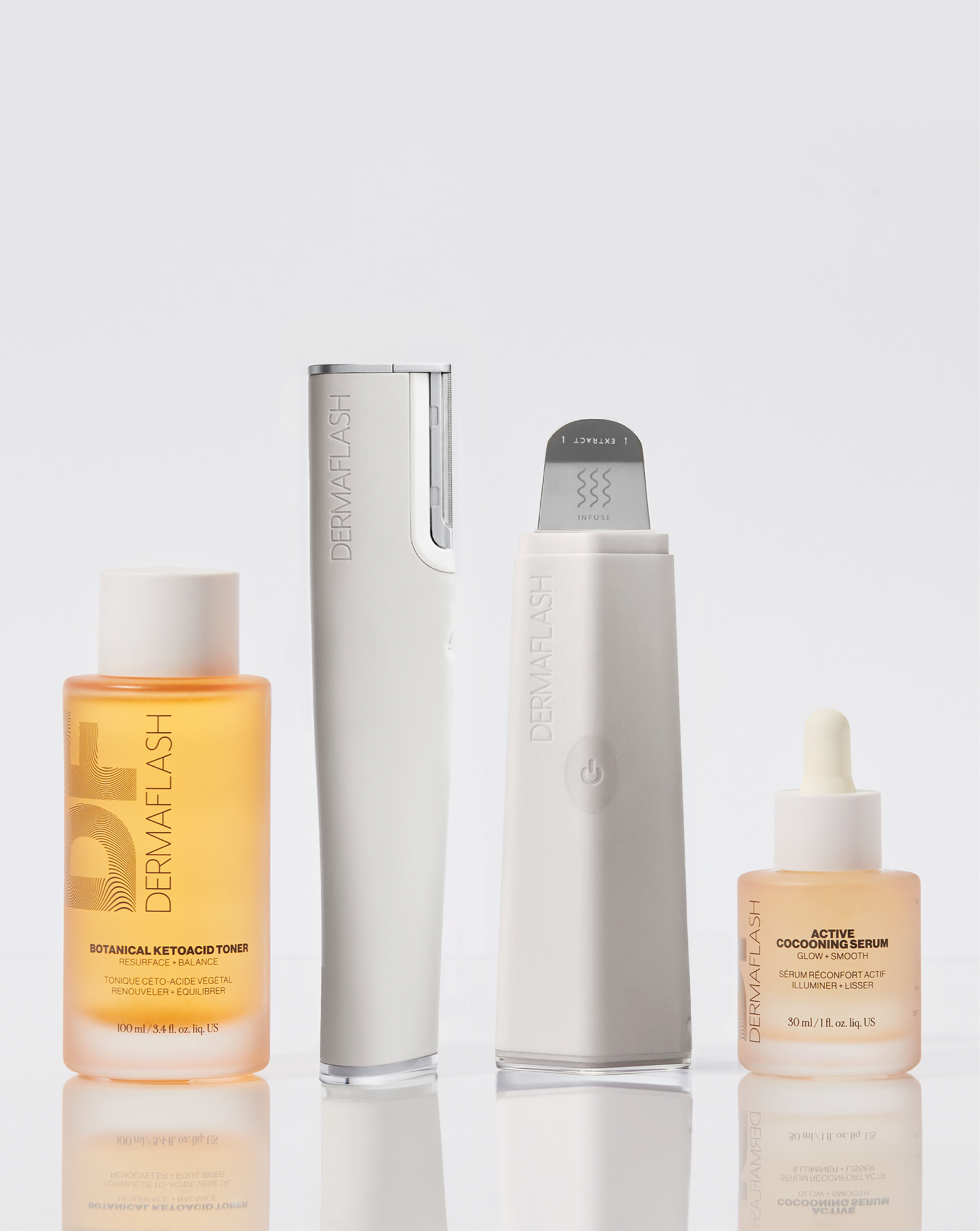
Antioxidants work by neutralizing free radicals before they can break down collagen and elastin—basically counteracting oxidative stress at the source. Look for a serum with ingredients specifically studied for environmental protection. HYDRAFLASH Active Cocooning Serum contains a particularly powerful protective molecule called Ectoin. This ingredient helps to protect your skin from pollution (as well as blue light exposure) while reducing daily inflammation and boosting antioxidant defense.
Cleanse Thoroughly Every Single Night
Pollution particles cling to your skin's surface throughout the day, and if they're not properly removed, they cling to your skin overnight—prolonging exposure. A thorough double cleanse helps lift away particulate buildup before it has the chance to do more damage.
Exfoliate Regularly
Pollution particles and oxidized debris don't just sit on top of skin—they can bind to the outermost layer of dead skin cells. Regular exfoliation helps to clear away that buildup.
DERMAFLASH LUXE+ uses Sonic Dermaplaning technology to remove the outermost layer of dead skin cells and built-up debris — the same layer that pollution particles settle into. By removing this buildup, LUXE+ also removes the barrier to skincare penetration, so the antioxidant serum you apply afterward can absorb more deeply and work more effectively.
In clinical testing, 100% of users saw instant improvement in skin texture after one use, and 94% showed a reduction in the appearance of dark spots after four weeks—real results for skin that's contending with daily environmental stress.
The Bottom Line
Pollution is an invisible daily stressor, but its effects on skin (oxidative damage, barrier breakdown, inflammation, and uneven tone) are well-documented. A routine built around antioxidant protection, consistent cleansing, and regular exfoliation gives your skin the tools it needs to defend itself and recover.
FAQ: Air Pollution and Skin
Does air pollution really age your skin faster?
Yes. Pollution particles generate free radicals that break down collagen and elastin, the proteins responsible for your skin's firmness and elasticity, which can accelerate visible signs of aging over time.
Can pollution cause dark spots and hyperpigmentation?
Research shows that particulate matter can stimulate excess melanin production when it settles into pores, contributing to dark spots and uneven tone.
What's the best skincare ingredient to protect against pollution?
Antioxidants are the primary defense, since they neutralize free radicals before they damage collagen and elastin. Ingredients like Ectoin have been specifically studied for their ability to protect skin from pollution and blue light exposure.
Does exfoliating help with pollution damage?
Yes. Pollution particles and oxidized debris can bind to the outermost layer of dead skin cells. Regular exfoliation—like Sonic Dermaplaning with DERMAFLASH LUXE+—can help to clear this buildup and allow antioxidant serums to absorb more effectively.
How often should I exfoliate if I live in a high-pollution area?
LUXE+ is designed for weekly use. Flashing once a week helps consistently clear dead skin cell buildup and debris without over-exfoliating or compromising the skin barrier.


