



Cellular turnover is essential for healthy, youthful-looking skin—but what exactly is it? Learn how this natural process works, why it slows down over time, and what you can do to boost your cellular turnover and keep your skin looking fresh and radiant.
What is cellular turnover?
Cellular turnover is the natural process by which your skin regenerates itself. To put it simply, your body sheds old, dead skin cells and replaces them fresh new skin cells. According to a research study published by the Society of Cosmetic Chemists, “skin cell turnover is often considered the ‘holy grail’ of healthy skin.”
Cellular turnover occurs in the outmost layer of your skin (aka the epidermis) and it happens on a fixed schedule. Each of your skin cells has a preset “timer” that determines how long the cell lives. When the time is up, that skin cell rises to your skin’s surface, sloughs off, and your body replaces it with a new one. This process happens around the clock, but all your skin cells have different “timers.” (Which is a good thing, otherwise we’d all be molting like snakes!)
How often do skin cells turn over?
When you’re a child, your skin cells turn over in just 14 days. If you’ve ever wondered why children’s skin is so fresh, dewy and even-toned, that’s the reason! Teenagers’ skin turns over about every 21 days, and in your 20s and 30s, the skin cell turnover process takes about 28 days. It slows down more in your 40s and 50s, and it can take up to 60 to 90 days for older adults.
How Cellular Turnover Affects Skin Health
Experts say the rate at which your skin cells turn over affects your skin’s overall health and appearance in several ways:
-
Radiance & texture: Efficient cellular turnover gives your skin a smoother, brighter appearance.
-
Breakouts & congestion: When dead skin cells shed properly and don’t clog your pores, you’re less likely to experience breakouts and acne flare-ups.
-
Fine lines & wrinkles: The shorter the cellular turnover period is, the smother and more youthful your skin will appear. (Again, think about how children and teens have skin that’s naturally smooth and plump.)
-
Tone & discoloration: When skin cells regenerate efficiently, melanin is less likely to “clump up” and form dark spots and uneven pigmentation.
-
Skin barrier function: Efficient cellular turnover helps prevent dehydration and strengthens your skin barrier, which is key to overall skin health.
How do I boost my skin’s cellular turnover?
The number one way to support cellular turnover is through gentle, consistent exfoliation. When you remove dead skin cells, you’re giving your body’s natural cellular turnover process a “kickstart” and essentially encouraging your skin to look and “act” younger.
Why sonic dermaplaning improves cellular turnover
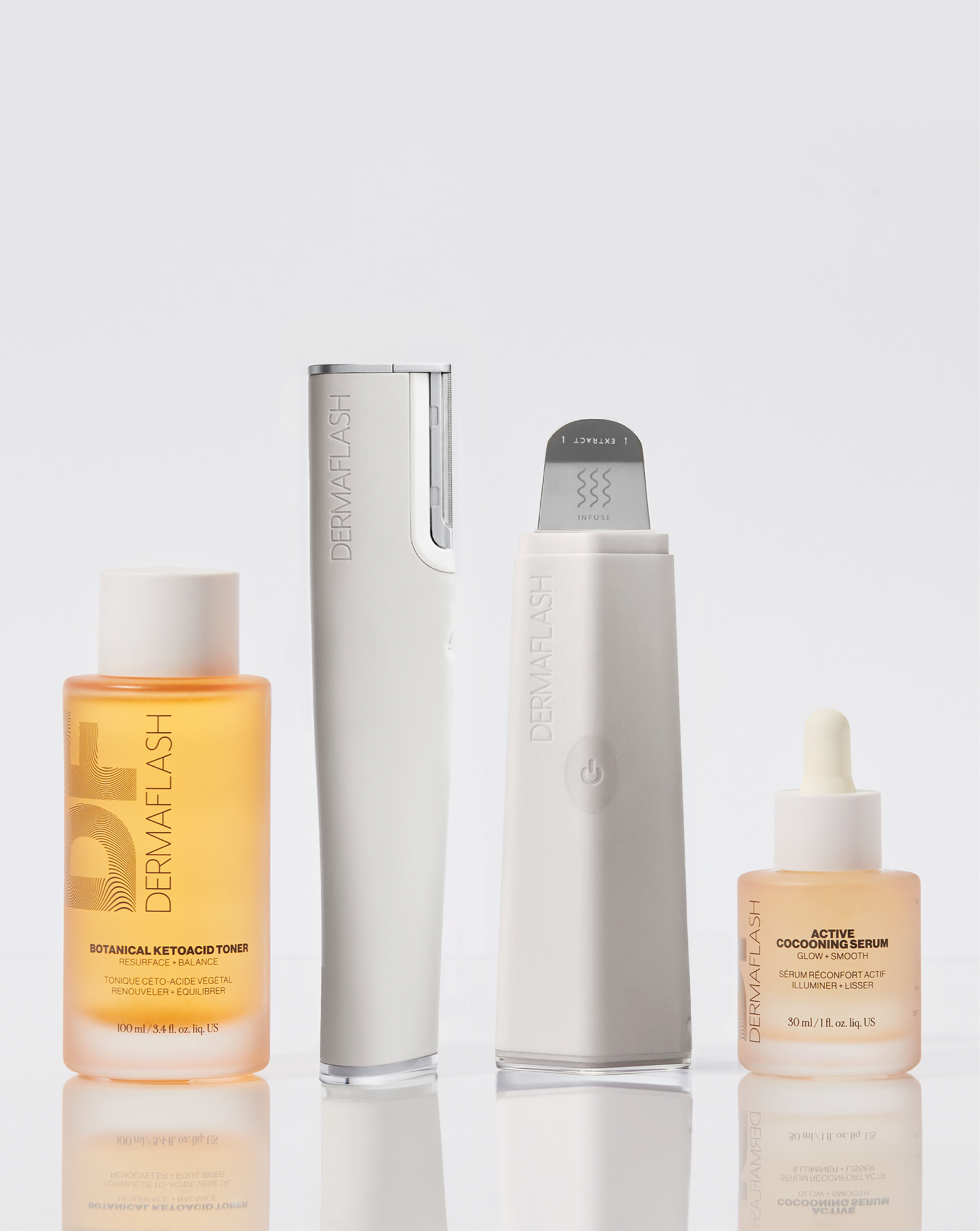
Sonic dermaplaning is a gentle, dermatologist-recommended method of exfoliation that only needs to be done once a week—and it delivers clinically proven results. After using LUXE+ once a week for four weeks, an instrumental analysis with the gold-standard Visia® system showed that 97% had less visible fine lines + wrinkles and 94% had reduced appearance of dark spots.
“This isn't hope in a jar,” says DERMAFLASH founder Dara Levy. “This is clinically proven. You're gently removing the oldest layer of dead skin cells, so you’re encouraging the cells underneath to regenerate and bring that fresh, new, young, vibrant skin to the surface.”
To sum up, efficient cellular turnover is your skin’s built-in “refresh” button. Supporting this natural renewal process is key to maintaining a healthy glow at every age—and sonic dermaplaning is a proven solution to boost your skin’s renewal process.


